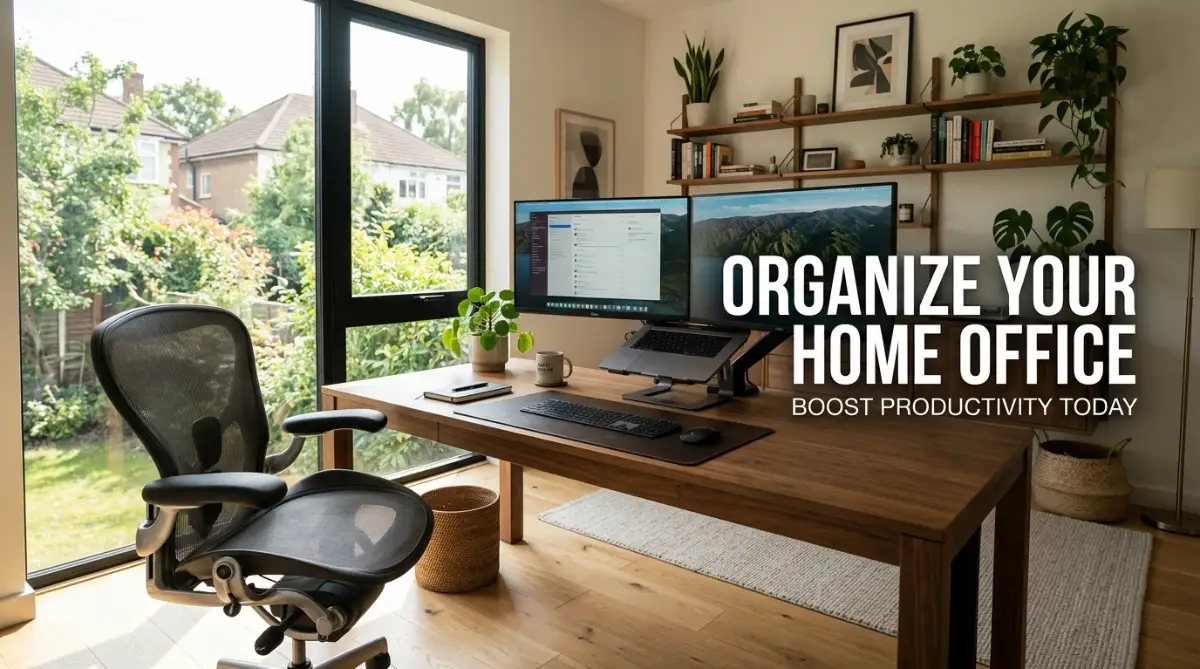
How to Slash Your Monthly Energy Bills Without Living in the Dark
I still remember standing in my hallway on a blistering July afternoon, opening my monthly electric bill with a sense of quiet dread. My central air conditioner had been humming non-stop for three weeks, and the final statement was over three hundred and eighty dollars. My heart sank as I stared at that number, realizing a huge chunk of my hard-earned paycheck was going directly to the local power company. I felt like I was being forced to choose between sitting in an uncomfortable hot house or going broke just to stay cool. That frustrating moment pushed me to grab a flashlight, a notepad, and a screwdriver to inspect every room in my house. I was determined to find a way to lower my power costs without sitting in the dark or sweating through the evening.
Living with constantly rising energy bills creates an exhausting emotional weight that hangs over your entire household every month. You find yourself walking around the house turning off lamps, nagging your kids about open doors, and stressing over every degree on the thermostat.
Every hot summer day or freezing winter night feels like a financial threat rather than a season to enjoy with your family. Millions of hardworking homeowners across the country share this exact same frustrating struggle every single billing cycle.
It causes unnecessary tension between spouses and makes you feel helpless against utility companies that raise their rates whenever they want. You work hard for your money, and watching it disappear into unnecessary electric charges steals your peace of mind.
You deserve to live in a comfortable, brightly lit home without feeling trapped by high monthly power costs. The truth is that you do not need to live like a hermit or turn off every light bulb in your house to fix this problem.
By making smart, intentional tweaks to your home environment, you can regain control of your monthly energy budget very quickly.Tired of opening sky-high electric bills every month? Discover practical, proven strategies to slash your monthly energy costs, eliminate hidden power drains, and optimize your home appliances without sacrificing comfort.
Uncovering the Hidden Energy Drainers in Your Daily Household
Most people assume that slashing a power bill requires drastic changes like installing expensive solar panels or freezing all winter long. That belief keeps families stuck paying premium prices for electricity they never actually get to enjoy.
The real secret to lowering your power bill lies in targeting hidden efficiency leaks across your major appliances and HVAC systems. You are likely paying for cooling that escapes through air gaps and electronics that draw power while completely turned off.
When you systematically find and eliminate these quiet power drains, your energy consumption drops dramatically without changing your daily comfort.
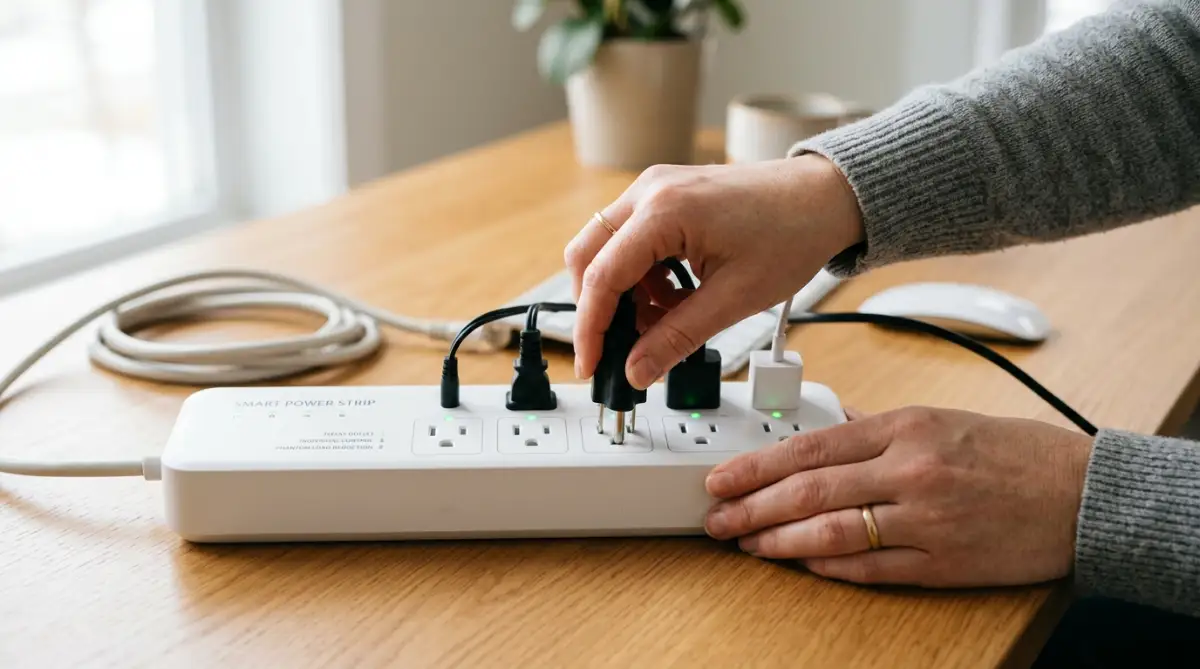
Energy Waste Areas and Smart Solutions Comparison
Smart Thermostat Temperature Shifts That Keep Cash in Your Pocket
Heating and cooling account for more than half of the energy used in an average American home every single year. You do not need to sit in an uncomfortable living room to keep your electric bill manageable.
Shifting your thermostat setting by just two or three degrees while you sleep or work creates immediate monthly savings. Installing a programmable smart thermostat automates these temperature adjustments so you never have to worry about forgetting to reset the dial.
Tiny air leaks around old window frames and exterior doors act like open holes pulling conditioned air out of your living space. Applying low-cost caulk and weather stripping stops your cooled air from escaping into the outdoor heat.
When taking steps to protect your property and overall monthly cash flow, structural security is just as important as utility savings. If you are a new homeowner looking to keep your monthly overhead low, take time to review our guide on how to choose your first home insurance policy to ensure you get full protection without overpaying.
Eliminating Phantom Power Loads That Steal Electricity Continuously
Electronics consume electricity from your wall outlets even when you turn them off or place them into sleep mode. Game consoles, desktop monitors, televisions, cable boxes, and microwave clocks are silent power thieves operating in almost every room.
This background power draw is known as standby power or a phantom load, and it runs continuously twenty-four hours a day. Phantom loads can easily add ten to twelve percent to your electric bill without providing any benefit to your family.
Smart power strips eliminate this wasted electricity by automatically cutting power to secondary devices when your main appliance is switched off. You can plug your entire TV setup or computer workstation into one smart strip for effortless energy control.
Brightening Your Home with High-Efficiency LED Technology
A common mistake homeowners make is turning off every light and living in dim, dreary rooms to save money on power. Incandescent light bulbs convert ninety percent of the electricity they use into useless heat rather than visible light.
Replacing old incandescent bulbs with modern LED lighting allows you to keep your home bright and welcoming for a fraction of the cost. LEDs use up to seventy-five percent less energy and last up to twenty-five times longer than traditional bulbs.
Many families also balance educational expenses alongside their regular utility costs. If you or your family members are exploring affordable higher education options, check out our resource on best community colleges in the USA for affordable education to cut tuition costs significantly while pursuing a valuable degree.
Watch this helpful video guide to see how small home energy changes can lower your utility bills every month:
Myth vs. Reality: The Truth About Home Energy Savings
- Myth: Leaving ceiling fans running in empty rooms keeps the house cool while you are away.
- Reality: Fans cool people by blowing air across skin, not rooms; running fans in empty rooms wastes electricity.
- Myth: You must live in dim, dark rooms with lights off to see a real drop in your power bill.
- Reality: Switching to modern LED bulbs lets you keep your home brightly lit while cutting lighting energy by seventy-five percent.
- Myth: Setting your thermostat to fifty degrees cools your house down much faster on a hot day.
- Reality: Air conditioners run at the same speed regardless of the setting; lowering the dial too far just wastes power.
My Personal Pro Tip
My biggest financial mistake three years ago was ignoring small drafts coming through my living room windows during summer. I thought a tiny gap around the frame was harmless until I held a candle near the sill and watched the flame flicker wildly. Cool air was leaking out of my living room every minute my air conditioner ran, forcing the compressor to stay on for hours. I bought a six-dollar tube of clear caulk and sealed the frame in twenty minutes. That quick fix lowered my next power bill by over thirty dollars and kept my living room noticeably cooler all day.
Auditing Your Water Heater to Cut Energy Consumption
Water heaters consume a massive amount of electricity or natural gas keeping water hot twenty-four hours a day. Most manufacturers ship water heaters set to one hundred and forty degrees Fahrenheit, which is much hotter than necessary for normal household use.
Lowering your water heater temperature setting to one hundred and twenty degrees reduces standby heat loss without sacrificing warm showers or clean dishes.
If you run a small business or freelance work from a home office, keeping your digital overhead low helps protect your overall monthly budget. Review our step-by-step tutorial on easy AI website builders for small businesses to build a fast, professional site without paying high agency fees.
Advanced Pro-Level Secrets for Maximum Long-Term Energy Savings
Once you have fixed basic drafts and lighting, you can use advanced energy management strategies to lower your bills even further. Taking advantage of utility programs and modern smart home technology keeps your long-term operating costs low.
Many electric utility companies offer Time-of-Use pricing plans that charge different rates for electricity based on the time of day. Power costs significantly more during peak afternoon hours when business demand is highest across the electrical grid.
If you have student loan payments as part of your monthly debt obligations, organizing your loans can free up cash flow for home upgrades. Read our detailed comparison analysis on federal vs private student loans: how to choose wisely to learn how repayment structures impact your monthly budget.
Your refrigerator and freezer work non-stop every single minute of the year to keep your food fresh. Vacuuming the dust off your refrigerator condenser coils every six months allows the compressor to cool efficiently without overheating.
Costly Mistakes That Wreck Your Home Energy Progress
When trying to lower utility bills, homeowners sometimes make mistakes that lead to higher long-term costs. Avoiding these bad shortcuts protects your home equipment and keeps your savings plan on track.
Neglecting Essential HVAC Maintenance and Tune-Ups
Skipping annual maintenance on your central air conditioner or furnace to save a few dollars today is a recipe for expensive repairs later. A dirty outdoor AC coil or worn fan belt causes your system to consume far more power while struggling to cool your home.
Scheduling an annual professional HVAC inspection ensures your system operates at peak efficiency and catches small issues early. Replacing air filters regularly is the cheapest way to extend the lifespan of your heating and cooling equipment.
Over-Reliance on High-Interest Credit Cards for Home Upgrades
Investing in energy-efficient home improvements like new windows or insulation is smart, but paying for them with high-interest credit cards can ruin your progress. Credit card interest rates above twenty percent will quickly eliminate any energy savings you achieve on your monthly power bill.
If you are planning to purchase a home or refinance an existing mortgage soon, maintaining a strong credit profile is essential. Take time to read our guide on how to improve your credit score before applying for a mortgage so you qualify for the best interest rates available.
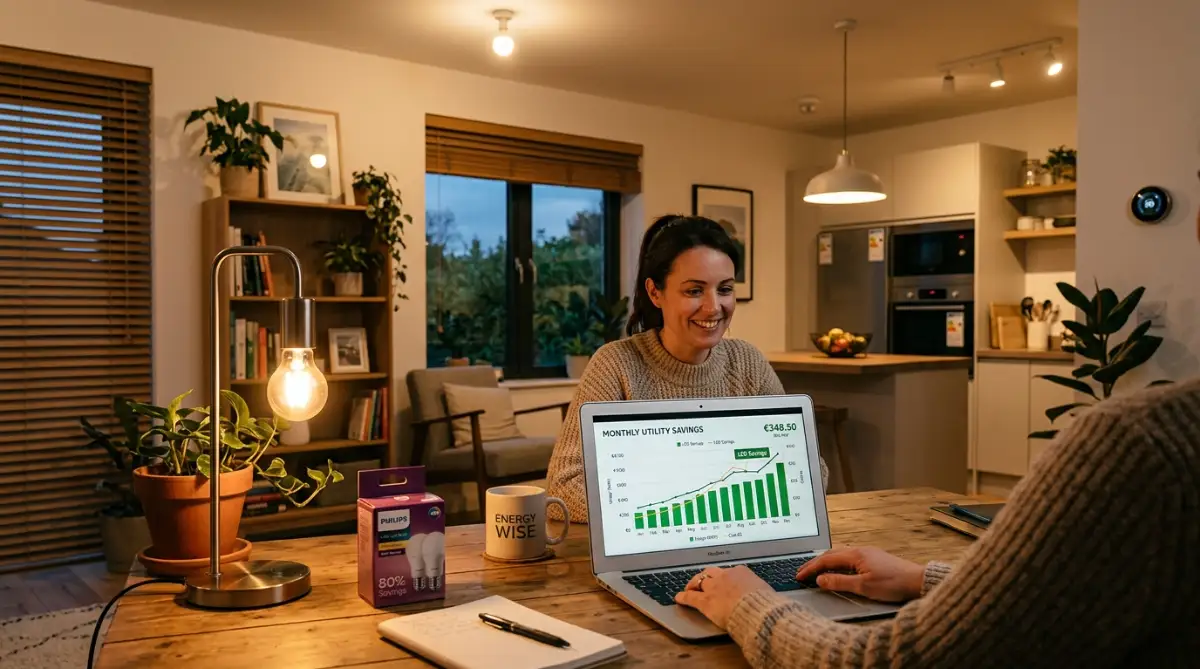
Your Action Plan for Bright, Budget-Friendly Living
Slashing your monthly energy bills is not a temporary fix; it is a permanent lifestyle upgrade that builds financial peace. You do not need to overhaul your entire house in a single weekend.
Start by making two or three easy changes from this guide, like installing LED bulbs and sealing window drafts this week. Once those quick fixes are done, focus on adjusting your thermostat settings and managing phantom power loads next month.
In my own experience fixing home energy leaks, I discovered that taking simple, practical steps created an immediate drop in my power bill that surprised me. I encourage you to pick one easy tweak from this guide today, make the adjustment, and feel the satisfaction of owning your energy budget.
Frequently Asked Questions About Lowering Energy Bills
How much can I save on my electric bill without living in the dark?
Most homeowners can lower their monthly electric bills by fifteen to thirty percent within two months by fixing drafts, shifting thermostats slightly, and using LED lighting. These simple adjustments eliminate energy waste while keeping your home bright and comfortable.
Will switching to LED light bulbs really make a difference on my power bill?
Yes, switching to LED light bulbs makes a noticeable difference because LEDs use up to seventy-five percent less power than old incandescent bulbs. They also last much longer and produce very little heat, which reduces the cooling load on your air conditioner.
What temperature should I set my thermostat to save the most money?
Setting your thermostat to seventy-eight degrees Fahrenheit in the summer and sixty-eight degrees in the winter balances comfort and energy savings. Shifting the temperature by three to five degrees while you sleep or are away at work increases your savings even more.
How do I stop phantom power loads from wasting electricity?
You can stop phantom power loads by plugging electronics into smart power strips that automatically cut power when appliances are off. Unplugging phone chargers, spare TVs, and coffee makers when not in use also stops standby energy draw completely.
Does washing laundry in cold water actually clean clothes well?
Modern laundry detergents are engineered to dissolve and clean effectively in cold water. Washing clothes in cold water cuts energy usage on every load because your water heater does not need to run, while also protecting your fabrics from fading.
Home Energy & Personal Finance Disclaimer
The information provided in this article is for educational, informational, and general consumer guidance only and does not constitute formal financial, tax, legal, or professional home engineering advice. Household energy savings, utility tariff rates, insurance premiums, product durability, and tax credit eligibility criteria vary significantly based on geographic location, individual utility providers, home construction, personal financial history, and tax status. Readers are strongly urged to consult with certified financial planners, licensed insurance agents, and qualified home energy professionals before making major financial or structural decisions.