The Future of Electric Vehicles: Solid-State Batteries, Narcs Charging Networks, and Autonomous Tech
Are you ready to witness the next great evolution in personal transportation? The electric vehicle revolution is moving far beyond standard battery cars into a high-tech era defined by solid-state energy cells with 600-mile ranges, unified Narcs charging networks, bi-directional home power backup, and artificial intelligence-driven software. In this comprehensive guide, we explore the groundbreaking technologies reshaping modern mobility and what every American driver needs to know to prepare for the future. Step into the future of clean, smart, and infinitely more capable driving today!
The global automotive industry is currently experiencing its most monumental technological transformation since Karl Benz patented the internal combustion engine in 1886. Across the United States, the transition from fossil-fuel-burning passenger cars to clean, high-performance Electric Vehicles has moved far beyond early adopters and environmental enthusiasts. What began as a niche market defined by small urban commuter cars has evolved into a multi-billion-dollar industrial renaissance encompassing high-speed luxury sedans, 3-row family crossovers, heavy-duty pickup trucks, and commercial transport fleets. When I first started following the electric vehicle movement years ago, many skeptics argued that limited driving range and slow charging times would keep battery cars permanently confined to city streets. Like many drivers, I questioned whether national charging infrastructure could ever support long-distance highway road trips without endless delays. I knew I needed to look past current limitations and study where battery chemistry and automotive software engineering were heading. Taking time to research emerging solid-state battery projects and software-defined platforms completely changed my outlook, showing me that the next wave of electric mobility will erase range anxiety entirely.
However, the electric vehicle revolution is only getting started. The next decade of electric mobility will fundamentally redefine how Americans view personal transportation.
Over the coming years, revolutionary technological breakthroughs—including solid-state energy storage, unified North American charging standards, bi-directional vehicle-to-grid power ecosystems, ultra-fast 800V architecture, and artificial intelligence-driven autonomous driving—will erase remaining consumer barriers like range anxiety, long charging times, and high initial sticker prices. In this ultimate forward-looking guide, we explore the future of electric vehicles, analyze emerging battery chemistries, examine grid integration, and detail what every American driver must know to prepare for the future of transportation.
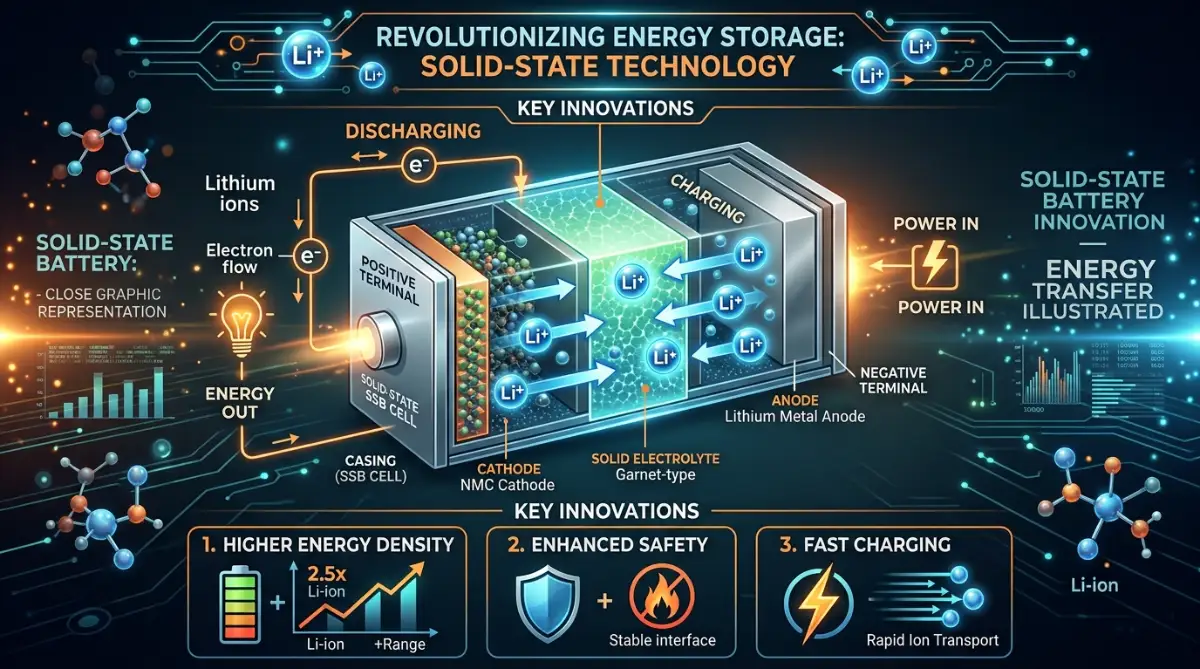
1. The Next-Gen Battery Revolution: Solid-State Cells & 600-Mile Ranges
The core heart of any electric vehicle is its chemical energy storage system. While current liquid-electrolyte lithium-ion batteries have reached unprecedented performance levels, the next era of battery innovation promises unprecedented capabilities:
- Solid-State Batteries (The Holy Grail): Solid-state technology replaces volatile liquid electrolytes with solid ceramic, glass, or polymer layers. Solid-state cells double volumetric energy density, eliminate fire risks, support 10-minute DC fast charging, and unlock 500 to 700+ miles of driving range on a single charge. For related financing help, review our guide on managing educational loans and smart family budgeting.
- Lithium Iron Phosphate (LFP) & Sodium-Ion Cells: LFP batteries eliminate expensive cobalt and nickel raw materials. Inherently durable and non-flammable, LFP cells support 100% daily charging without degradation, driving the arrival of sub-$25,000 mass-market electric cars.
- Silicon-Anode Technology: Blending silicon into traditional graphite anodes increases energy storage capacity by up to 40%, dramatically reducing battery pack weight while extending vehicle efficiency.
To analyze broader consumer spending economics and automotive ownership budgeting strategies, explore our comprehensive analysis of consumer financial planning and green energy economics.
2. The Universal NACS Charging Standard & Megawatt Speeds
For years, North American EV charging suffered from fragmented charging networks, broken public chargers, and conflicting connector plugs. The future of US EV charging has officially consolidated around a single unified standard: the North American Charging Standard.
My Personal Pro Tip: Whenever I evaluate new electric vehicle models coming to market, I always prioritize vehicles that feature native NACS charging ports. In my experience, skipping adapter hassles and gaining direct access to the massive Tesla Supercharger network makes long-distance road tripping infinitely smoother.
Watch this video guide for an expert video overview exploring cutting-edge battery innovations, solid-state production timelines, and smart urban mobility solutions:
3. Vehicle-to-Grid (V2G) Infrastructure & Power Resilience
As tens of millions of electric vehicles enter American driveways, they will cease to be passive energy consumers; they will function as a decentralized national energy storage grid:
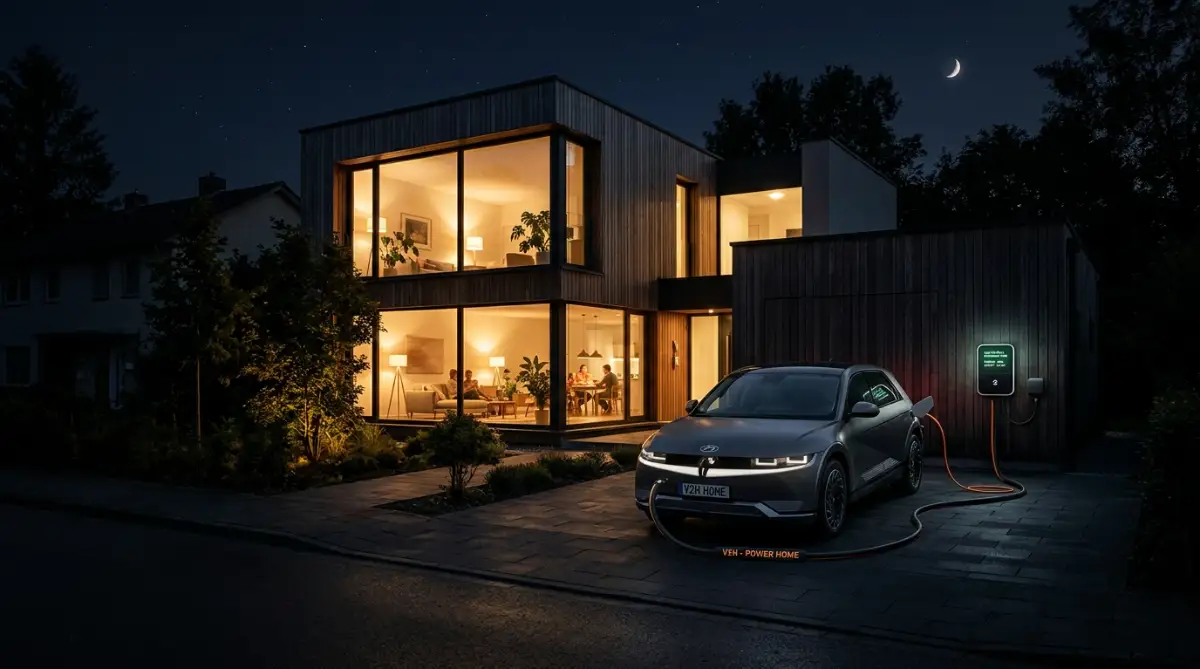
- Vehicle-to-Home (V2H) Emergency Backup: A standard 75 kWh electric car battery holds enough electricity to power an average American single-family household for 3 to 5 full days during severe winter snowstorms or hurricane power outages, eliminating the need for expensive backup home diesel generators. Learn how to protect your personal finances by reading our guide on improving your credit score before applying for financial products.
- Vehicle-to-Grid (V2G) Energy Monetization: Under V2G utility programs, smart chargers automatically discharge small amounts of stored battery power back into the local electrical grid during peak summer demand hours, compensating EV owners with cash credits. You can also explore how to protect your household investments by reading our guide on choosing a home insurance policy without stress, or check out our suggestions on simple website building tools for small businesses if you manage a remote side venture.
4. Software-Defined Vehicles, AI, and Autonomous Mobility
The future of electric vehicles is intrinsically linked with artificial intelligence, cloud connectivity, and autonomous driving technology:
- Centralized Domain Computing: Modern EV platforms replace dozens of separate microprocessors with single high-performance AI supercomputers controlling everything from power train efficiency to active safety sensors.
- Level 3 and Level 4 Autonomous Highway Driving: Systems like advanced autopilot suites and automated lane-changing networks allow drivers to delegate highway steering, lane changes, and navigation to AI vision networks under certified conditions.
- Autonomous Robot axis Fleets: Self-driving electric robot axis will provide low-cost, on-demand urban mobility, reducing the necessity of second-car ownership for urban families.
5. Common Pitfalls to Avoid When Buying an EV Today
Even as technology advances rapidly, buyers must remain cautious about purchasing outdated hardware. A common mistake is buying an older EV equipped with obsolete charging plugs or slow 400V architecture right before automakers transition entirely to native Narcs and 800V fast charging. Another pitfall is ignoring software support; ensure your chosen brand regularly pushes over-the-air updates to keep your infotainment and safety systems current. Stay informed on manufacturer roadmaps to protect your vehicle's long-term resale value.
6. The 5-Point Future-Proof EV Buyer's Checklist
Ensure your next electric vehicle purchase remains technologically relevant for years to come by following this checklist:
- Step 1: Prioritize Native Narcs Port Integration: Choose vehicles featuring native Narcs charging ports for seamless Supercharger access.
- Step 2: Opt for 800V Architecture or High Speeds: Select platforms supporting ultra-fast DC fast charging for rapid road trips.
- Step 3: Verify Bi-Directional V2 h Capability: Ensure the vehicle supports onboard AC power export for home emergency backup.
- Step 4: Choose Liquid Battery Thermal Cooling: Avoid air-cooled battery designs to guarantee long-term cell health and minimal winter degradation.
- Step 5: Ensure Robust OTA Update Support: Confirm the manufacturer regularly pushes software and security updates.
7. Final Thoughts and Moving Forward
The future of electric vehicles is not a distant science-fiction concept; it is unfolding rapidly across American highways today. As solid-state batteries emerge, unified Narcs charging networks expand, and artificial intelligence elevates vehicle safety, electric cars will offer unmatched convenience, performance, and environmental sustainability.
In my own perspective on automotive tech, watching software-defined electric vehicles improve overnight via wireless updates proves we have entered an entirely new era of personal mobility. Embrace the future of mobility today. Research next-generation EV platforms, upgrade your home charging infrastructure, experience electric performance, and step confidently into a cleaner, smarter, and infinitely more capable driving future!
8. Frequently Asked Questions
When will solid-state batteries be available in commercial electric cars?
Major automakers and battery developers are scaling solid-state cell production, with initial low-volume luxury and performance vehicle integrations expected toward the late 2020s.
What is Narcs and why is it important for EV owners?
Narcs stands for North American Charging Standard. It is the unified charging plug developed by Tesla that has been adopted by nearly all major automakers to standardize public fast charging.
Can my current electric car power my house during a power outage?
Only if your specific EV model and home charger support bi-directional Vehicle-to-Home power export, which allows the car battery to supply electricity back to your home breaker panel.
How do over-the-air (OTA) software updates improve electric vehicles?
OTA updates allow automakers to send wireless software patches that can enhance battery thermal efficiency, add new infotainment features, and improve driver-assistance systems without visiting a dealer.
Will older electric cars with CCS plugs become obsolete?
No, older CCS-plug electric vehicles will remain fully functional by using certified NACS-to-CCS adapters at compatible charging stations for many years to come.
9. Automotive & Technology Disclaimer
The information provided in this article is for educational, informational, and forward-looking consumer guidance only and does not constitute formal mechanical, financial, legal, or automotive purchase advice. Future battery production targets, autonomous driving regulations, federal clean vehicle tax credit guidelines, charging speeds, and manufacturer model roadmaps are subject to technological evolution and regulatory changes over time. Buyers are strongly encouraged to verify current specifications directly with manufacturers before making vehicle purchases.
![10 Cheapest EVs You Can Buy Right Now in the USA [Huge Savings]](https://martinesy.com/storage/uploads/blogs/1786111292_10-cheapest-evs-you-can-buy-right-now-in-the-usa-huge-savings.webp)